
Health As defined by World Health Organization (WHO), it is a “State of complete physical, mental, and social well being, and not merely the absence of disease or infirmity.”
Physical Health
Physical health includes aspects like Nutrition, Physical Activity, Hygiene and Sleep.
Planning your child’s nutrition
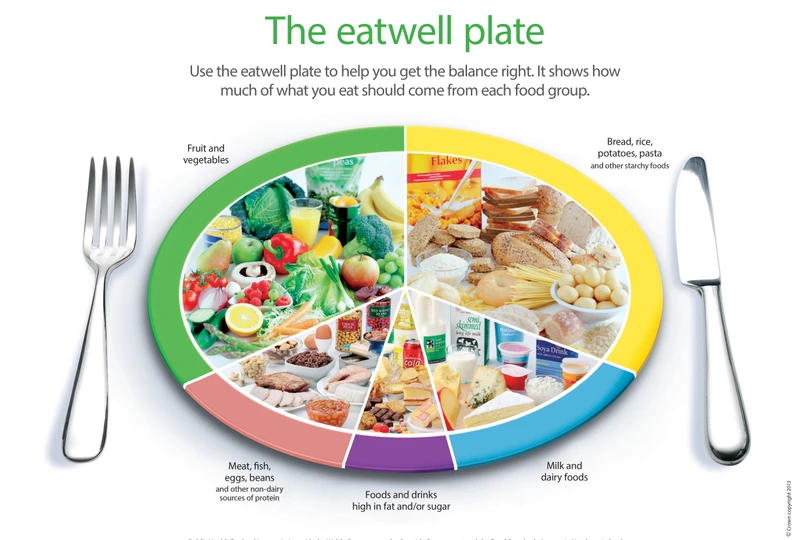
You can use “My Plate” strategy to plan your child’s nutrition. It helps you to choose what and how much to eat within your child’s calorie allowance using color codes. The five food groups are categorized using different colors as given below.
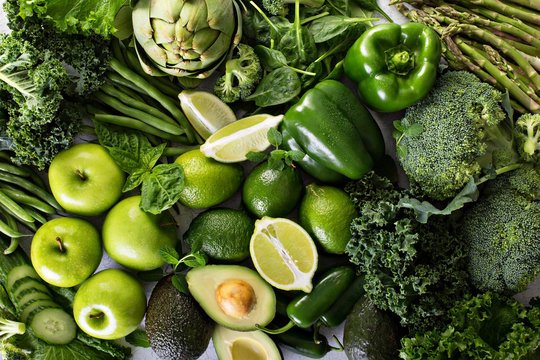
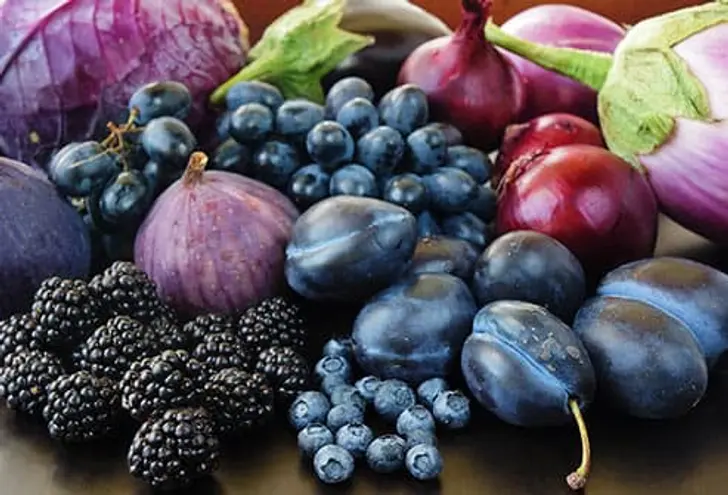
Vegetables have many of the vitamins and minerals kids need for good health, are naturally low in calories, and contain fiber. The vegetable group includes:
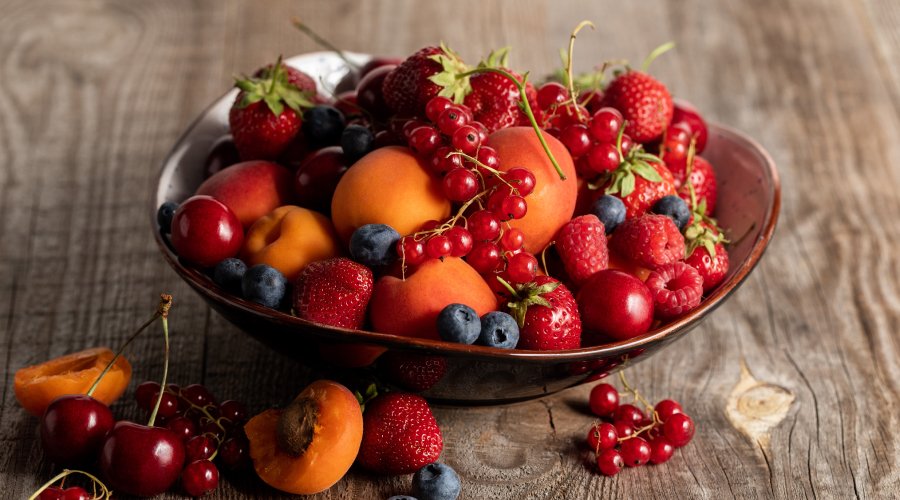
Fruits are an essential part of a balanced diet, providing important nutrients such as vitamin C, potassium, and dietary fiber that support overall health and well-being. These nutrients help strengthen the immune system, aid digestion, and maintain proper body functions.
While fruit juices may appear to be a healthy option, they often contain higher amounts of sugar and calories and significantly less fiber compared to whole fruits. Consuming whole fruits is a better choice, as the natural fiber helps regulate digestion and keeps you feeling full for longer, contributing to healthier eating habits and better nutrition.
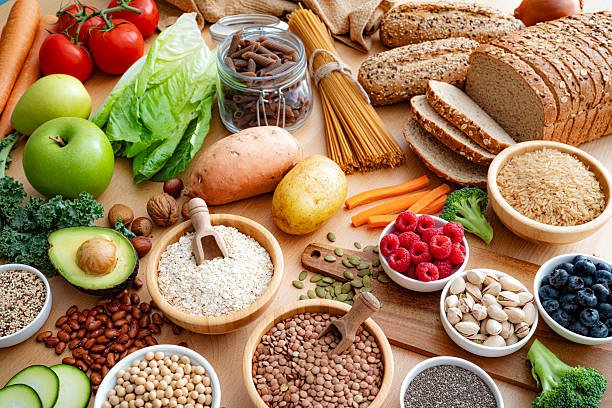
The grain group includes any food made from wheat, oats, cornmeal, barley, or other grain. Bread, cereal, rice, and pasta belong in this group.
At least half of the grains kids eat each day should be whole grains, such as oatmeal, brown rice, popcorn and whole wheat bread. Whole grains have dietary fiber that helps you feel full and can prevent and treat constipation. Eating a diet rich in whole grains also might decrease the chances of getting heart disease and diabetes.
Refined grains, like white bread and white rice, are processed, removing many of the nutrients. Most refined grains are enriched, which means that nutrients, except fiber, are added back after processing.
Foods that are high in protein play a vital role in building, repairing, and maintaining the body’s tissues, including muscles, skin, and organs. Protein is essential for growth, especially in children and adolescents, and also supports the production of enzymes, hormones, and antibodies that help keep the body healthy. In addition to protein, many protein-rich foods provide important vitamins and minerals such as iron, zinc, and B-complex vitamins, which are necessary for energy production, immunity, and overall development.
Common sources of protein include chicken, fish and other seafood, dry beans, peas, eggs, nuts, and seeds. Plant-based protein options such as soy products, including tofu and soybeans, are also excellent choices and are rich in nutrients. When consuming meat and poultry, it is advisable to choose lean or low-fat options to reduce excess fat intake while still benefiting from high-quality protein. Including a variety of protein-rich foods in daily meals helps ensure balanced nutrition and supports strong, healthy bodies.
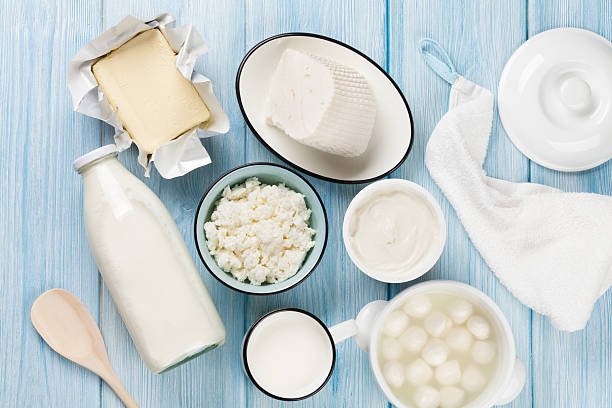
This group includes milk and other dairy products, such as yogurt and cheese. Calcium-fortified soy milk is also included in the dairy group. Besides calcium, dairy products also have vitamin D. Vitamin D helps the body absorb calcium for healthy bones and teeth.
Foods made from milk, like butter, cream, and cream cheese do not have much calcium, and are not part of the dairy group.
Serve low fat or non fat milk and dairy products to kids over 2 years old.
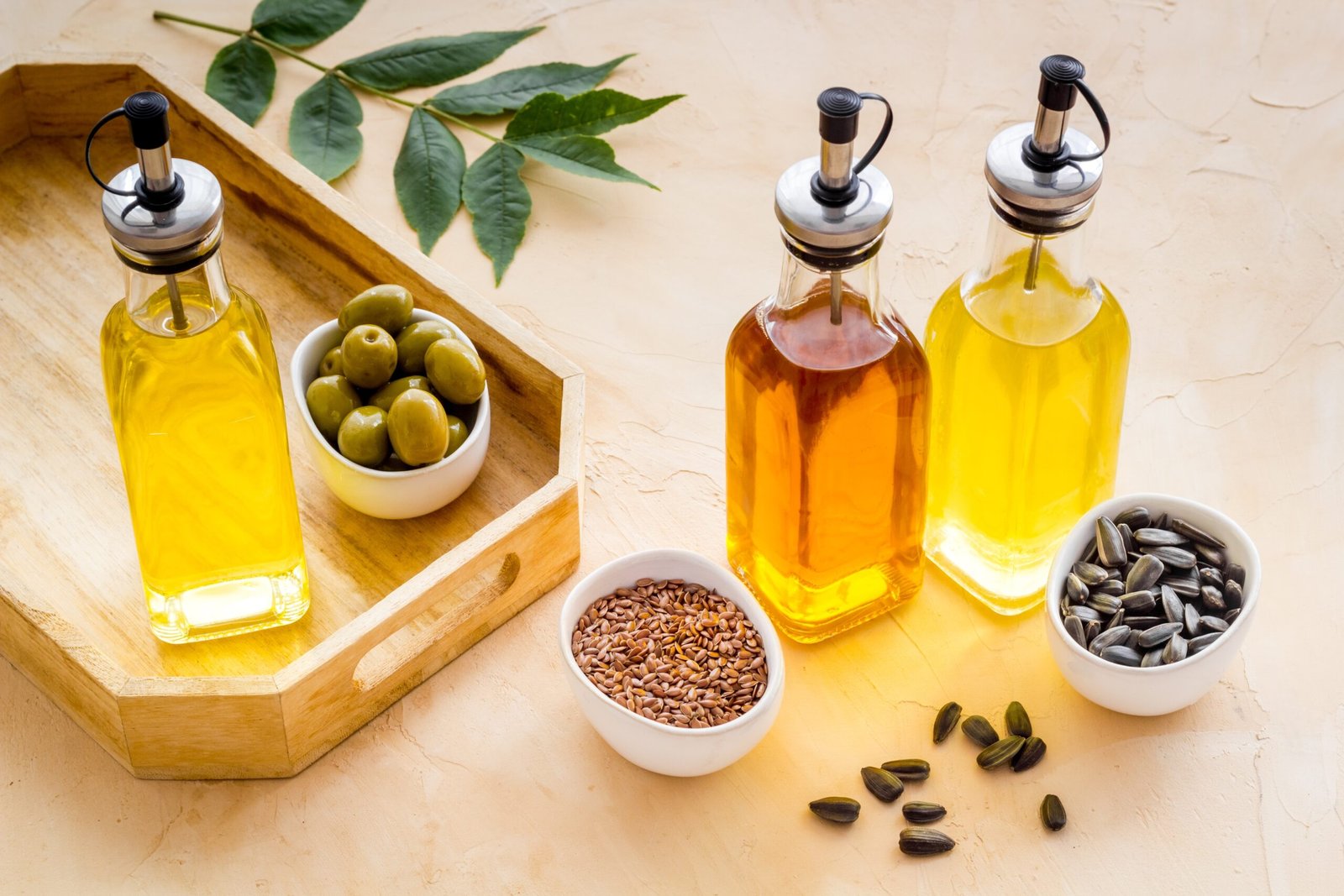
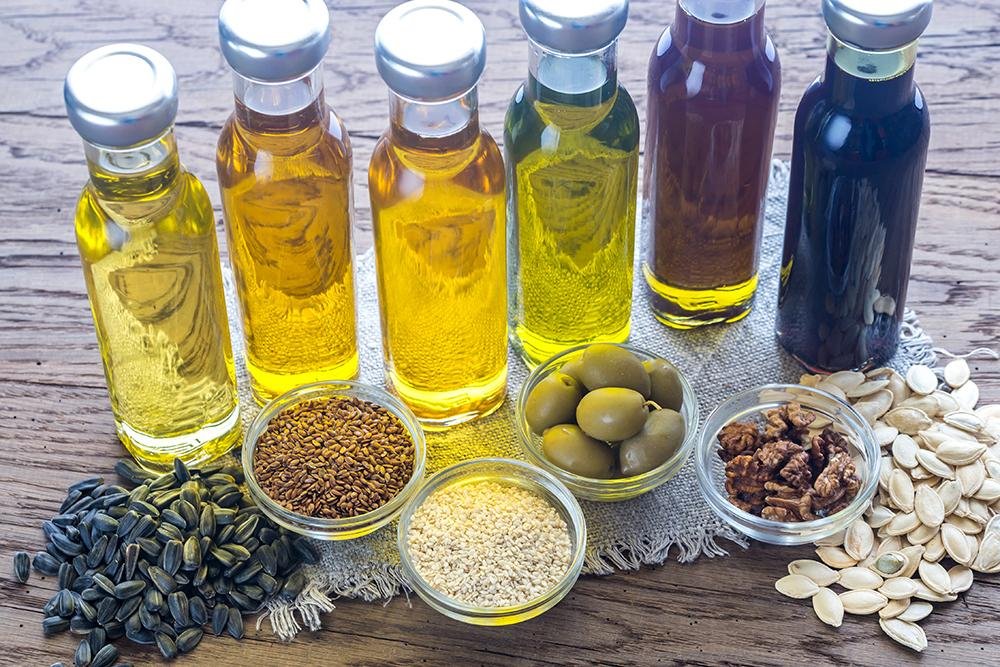
Oils are fats that are liquid at room temperature, like the vegetable oils used in cooking. Oils come from many different plants and from fish. Oils are NOT a food group, but they provide essential nutrients.
Unrefined oils like Groundnut oil, coconut oil, sesame oil, mustard oil virgin olive oil are healthy oils for cooking. And refined oils like sunflower oil, rice bran oil are unhealthy.
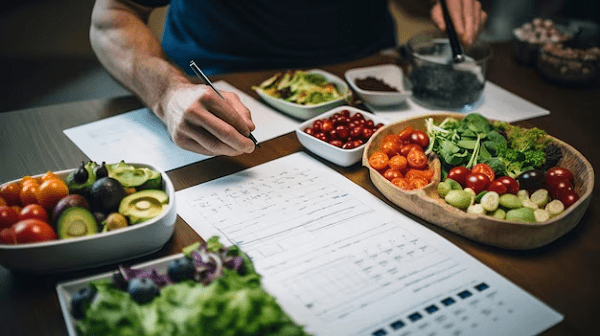
You can use the menu plan given below as a practical guide to decide which food groups should be included in each meal throughout the day. This plan helps ensure a balanced intake of essential nutrients by clearly outlining appropriate combinations of cereals, proteins, fruits, vegetables, dairy products, and healthy fats for breakfast, lunch, snacks, and dinner.
Following the menu plan supports healthy eating habits, proper portion control, and consistent energy levels, while also promoting overall growth, immunity, and well-being. It serves as an easy-to-follow framework for planning nutritious meals that meet daily dietary requirements.
Given below is an example that demonstrates how to plan and distribute serving sizes to meet a daily nutritional requirement of approximately 2,000 calories. This sample plan helps in understanding the balance between different food groups—such as cereals, proteins, fruits, vegetables, dairy, and healthy fats—required to maintain a nutritious and well-rounded diet.
By following appropriate portion sizes, individuals can ensure adequate intake of essential nutrients, vitamins, and minerals while maintaining overall energy levels throughout the day. This example also serves as a practical guide for promoting healthy eating habits, portion control, and balanced nutrition, supporting physical growth, mental alertness, and overall well-being.
The unhygienic handling, use of unsafe water and exposure to flies and street pollution increases the number of bacteria, viruses and other parasites in the plate leading to many water borne diseases and food poisoning.